



For years, employee engagement sat in one place: the HR department. HR ran the annual survey, organised the town halls and planned the celebrations. If scores dipped, HR was expected to fix them.
That model is breaking down. Engagement now affects retention, productivity, customer experience and revenue, so many business leaders see it as a shared responsibility. HR still plays a vital role, but it can no longer carry the load alone.
Why the old model stopped working
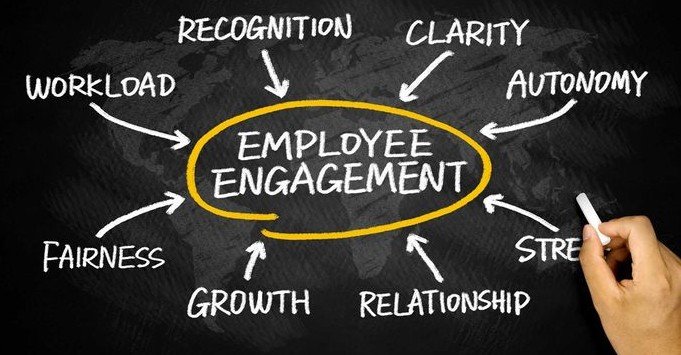
Treating engagement as an HR project creates a quiet problem. Other leaders assume it’s handled. Survey results get a quick glance, a workshop is scheduled, and the issue is marked as done. Meanwhile, the things that shape how people feel about work, such as workload, recognition, growth and trust, are decided far from the HR team.
HR can design a feedback programme, but it can’t control how a manager runs a Monday meeting or whether a promising employee sees a path forward. Engagement is built or lost in daily interactions, and most of those happen outside HR’s reach.
The stakes are higher than ever
The business case is hard to ignore. Research from Workday found that roughly a quarter of employees show engagement scores that put them at risk of leaving. Disengaged people tend to do the minimum, and some quietly start looking elsewhere. In a competitive talent market, replacing a good employee costs far more than keeping one.
Expectations have also shifted. Employees, especially younger ones, want meaningful work, flexibility, honest communication and room to grow. Perks like free snacks or a game room don’t answer those needs. Leaders who rely on surface gestures often find that engagement drifts down anyway.
Managers are the real engine
If one group matters most, it’s people managers. Gallup has estimated that managers account for about 70% of the variation in team engagement. A good manager can keep a team motivated through difficult periods. A poor one can drain energy from even the best workplace.
Many managers are stretched thin and under-supported. Surveys show that large numbers report feeling burned out themselves. Asking exhausted managers to “own engagement” without training, time or tools isn’t a strategy. The better approach is to enable them, with coaching on feedback and recognition, realistic workloads and clear expectations.
What shared ownership looks like
Moving engagement beyond HR doesn’t mean HR steps back. It means each group plays a defined part.
Senior leaders set the tone. They show through decisions, not slogans, that people matter. They also tie engagement to business goals such as retention, customer satisfaction and growth, so it earns a place on the boardroom agenda.
HR provides the foundation: listening tools, learning and development, fair policies, and data that connects sentiment to outcomes. It also acts as a strategic partner, helping leaders read the signals and act on them.
Managers turn strategy into everyday experience. They hold regular one-to-ones, give honest feedback, recognise good work and help people grow.
Employees have a role too. Engagement is a two-way relationship, so people need safe ways to share ideas, raise concerns and shape their own development.
Practical steps to get started
Organisations that want to make this shift can begin with a few moves:
- Replace the annual survey with continuous listening. Short pulse checks and regular conversations reveal problems while they can still be fixed.
- Make engagement a leadership KPI. What gets measured gets attention. Include engagement in leaders’ goals and reviews.
- Invest in manager capability. Train managers in coaching, communication and recognition, and give them the time to use those skills.
- Act visibly on feedback. Nothing erodes trust faster than a survey that leads nowhere. Share what you heard and what you will change.
- Build growth paths. Skills-based mobility, learning opportunities and clear career conversations are among the strongest retention levers.
- Keep culture consistent. Values only work if decisions, behaviour and feedback match them.
Common pitfalls to avoid
A few traps catch well-meaning organisations. Relying on one-off events creates short-lived excitement without lasting change. Collecting data without acting on it breeds cynicism. Blaming HR when scores fall ignores the wider causes. And overlooking frontline and remote employees leaves large parts of the workforce disconnected.
Conclusion
Employee engagement has moved from a people-programme to a business priority. It shapes who stays, how well teams perform and how customers experience a brand. That makes it a responsibility for the whole leadership team, with HR as an enabler and partner rather than the sole owner.
Organisations that understand this will treat engagement as part of how work gets done, not an annual exercise. They’ll equip managers, listen continuously and act on what they hear. The payoff is a workforce that is more committed, more productive and more likely to stay.