


For decades, annual performance reviews have been the cornerstone of employee evaluation. Managers rated employees once or twice a year, discussed achievements, identified weaknesses, and set goals for the next review cycle. While this approach served organizations for years, today’s fast-changing workplace demands something far more dynamic.
Employees now expect regular coaching, meaningful feedback, and clear career development opportunities instead of waiting months to understand how they are performing. Businesses, meanwhile, need agile teams capable of adapting quickly to changing priorities. As a result, organizations are shifting from traditional appraisal systems to continuous performance management that emphasizes growth, collaboration, and employee engagement.
Why Traditional Appraisals Are Losing Relevance
Annual reviews often focus on past performance rather than future improvement. By the time employees receive feedback, many opportunities to correct mistakes or recognize achievements have already passed.
Several challenges make traditional appraisals less effective:
- Feedback arrives too late.
- Performance ratings can become subjective.
- Employees may feel judged rather than supported.
- Conversations focus more on evaluation than development.
- Managers struggle to remember achievements across an entire year.
In today’s competitive business environment, organizations need performance management systems that encourage continuous learning instead of yearly assessments.
Performance Management Is Becoming a Continuous Process
Modern organizations are replacing yearly reviews with ongoing conversations between managers and employees.
Instead of waiting for appraisal season, managers now conduct regular one-on-one meetings to discuss:
- Current projects
- Short-term goals
- Challenges
- Skill development
- Career aspirations
- Learning opportunities
These frequent discussions help employees stay aligned with business objectives while allowing managers to provide timely coaching and recognition. Continuous feedback also enables organizations to identify performance issues before they become larger problems.
Understanding Skills and Motivation Together
High performance depends on more than technical expertise. Employees also need motivation, confidence, and clear direction.
Many HR leaders now use frameworks such as the Skill-Will Matrix to understand two important factors:
- Skill: Does the employee have the required knowledge and capability?
- Will: Is the employee motivated and willing to perform?
This approach helps managers personalize coaching rather than applying the same management style to everyone.
For example:
- High skill but low motivation may require recognition, new challenges, or career discussions.
- High motivation but limited skills may benefit from additional training and mentoring.
- Low skill and low motivation may require closer coaching and structured development plans.
This individualized approach creates more productive conversations than simply assigning performance ratings.
Feedback Should Be Immediate, Not Annual
One of the biggest shifts in modern performance management is the move toward real-time feedback.
Employees appreciate knowing what they are doing well while projects are still active. Immediate recognition reinforces positive behavior, while constructive feedback allows employees to improve before issues become recurring problems.
Organizations that encourage regular feedback often experience:
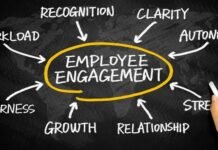
- Higher employee engagement
- Faster learning
- Better collaboration
- Improved accountability
- Greater trust between managers and teams
Rather than treating feedback as criticism, successful organizations position it as an ongoing coaching process.
Align Individual Goals With Business Objectives
Employees perform better when they understand how their work contributes to broader organizational success.
Modern performance management emphasizes goal alignment by connecting individual objectives with company priorities.
Instead of generic annual targets, managers establish measurable goals that can evolve as business needs change. Regular check-ins ensure employees remain focused on high-impact work while giving leaders visibility into progress.
This flexibility is especially valuable in industries where priorities shift quickly due to changing customer demands, technology, or market conditions.
Managers Are Becoming Coaches
The manager’s role is evolving significantly.
Traditional managers primarily evaluated employee performance. Today’s leaders are expected to coach, mentor, and support continuous development.
Effective coaching involves:
- Asking thoughtful questions
- Listening actively
- Providing practical guidance
- Encouraging problem-solving
- Celebrating achievements
- Supporting career growth
Employees who receive regular coaching often develop stronger confidence, greater ownership, and improved job satisfaction.
Leadership is becoming less about judging performance and more about helping people reach their potential.
Technology Is Transforming Performance Management
Digital HR platforms are making continuous performance management easier to implement.
Modern systems help organizations:
- Track goals in real time
- Document ongoing feedback
- Measure skill development
- Identify learning needs
- Analyze employee engagement
- Support career planning
Artificial intelligence is also beginning to assist managers by identifying performance trends, recommending development opportunities, and highlighting potential risks before they affect productivity.
Rather than replacing managers, technology provides better insights that support informed coaching conversations.
Creating a Culture of Growth
Performance management should not be viewed as an administrative HR process. It should become part of the organization’s culture.
Companies that successfully build growth-oriented cultures encourage:
- Continuous learning
- Knowledge sharing
- Open communication
- Employee recognition
- Career development
- Psychological safety
Employees become more engaged when they believe their organization is genuinely invested in their long-term success rather than simply measuring results.
A growth-focused culture also improves retention by giving employees clear opportunities to develop new skills and advance their careers.
Benefits for Organizations
Moving beyond traditional appraisals delivers measurable business advantages.
Organizations adopting continuous performance management often experience:
- Improved employee engagement
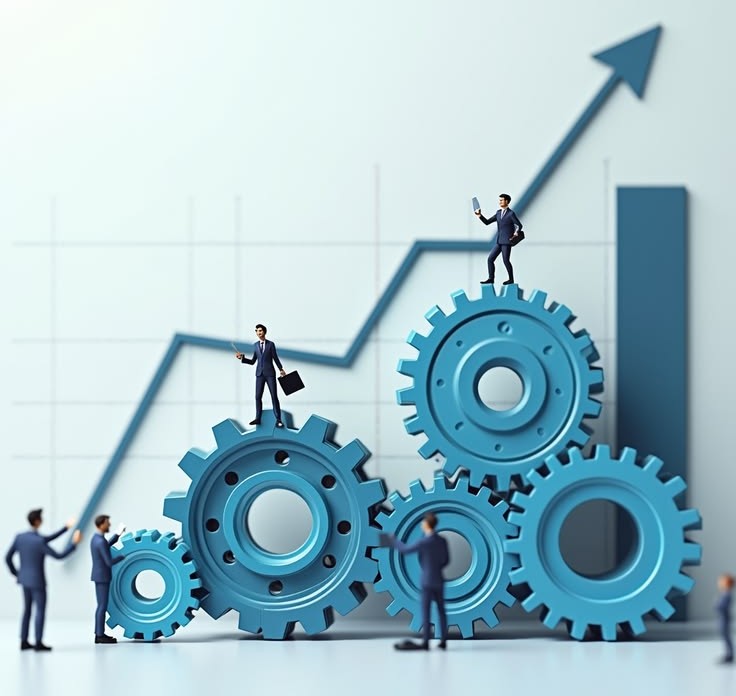
- Higher productivity
- Better collaboration
- Faster skill development
- Increased innovation
- Stronger talent retention
- Better leadership development
- Greater organizational agility
Employees become more connected to company goals while managers gain greater visibility into team performance throughout the year rather than during isolated review cycles. Research also suggests that continuous feedback and development-focused performance management improve motivation, engagement, and long-term organizational outcomes.
Conclusion
The future of performance management is not about eliminating accountability—it is about making accountability more meaningful.
Organizations that invest in continuous feedback, coaching, personalized development, and technology-enabled performance management create environments where employees can thrive. Instead of waiting for annual appraisals, businesses are embracing ongoing conversations that strengthen both individual performance and organizational success.
As work continues to evolve, companies that prioritize employee growth over periodic evaluation will be better positioned to attract top talent, improve engagement, and build resilient, high-performing teams.
Performance management is no longer a once-a-year event. It has become a continuous journey of learning, motivation, and shared success.